“Hmm…”
“On the afternoon of Tuesday, September 25, our engineering team discovered a security issue affecting almost 50 million accounts. We’re taking this incredibly seriously and wanted to let everyone know what’s happened and the immediate action we’ve taken to protect people’s security.”
https://newsroom.fb.com/news/2018/09/security-update/
+++
Why should I care?
The hackers responsible for this attack took control of users’ access tokens.
And from this, the hackers responsible for this attack could easily take full control of not only the accounts of people on Facebook itself but also use that to log into other sites and services using Facebook login system.
And there is a rumor now that the data of another 40 million on top of that might have been likewise compromised–bringing the total closer to 90 million.
+++
Can we learn anything from this?
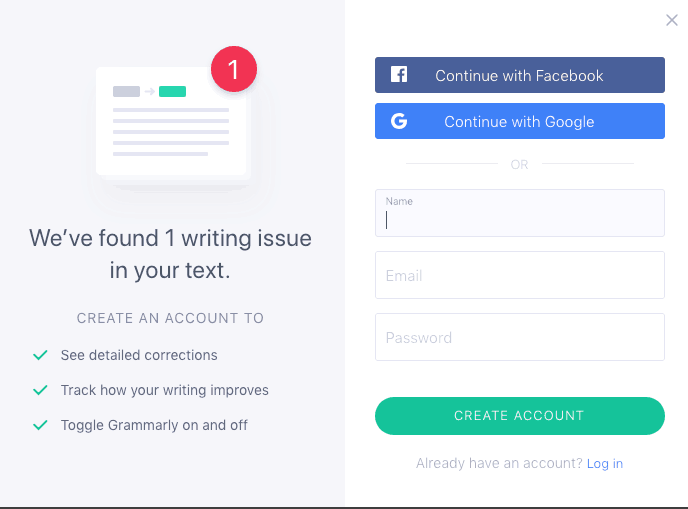
Methinks that if you are considering adding plugins to your WordPress login page, allowing for an alternate log in via Facebook, Amazon, et al., in future, this might be warning that doing so may have consequences.
 There is some massive denial of service campaigns going on this week, and potentially even bigger ones on the horizon due to there being a large number of misconfigured memcached servers (the majority being hosted through Digital Ocean and other cloud providers).